Your customers call
because they see nothing.
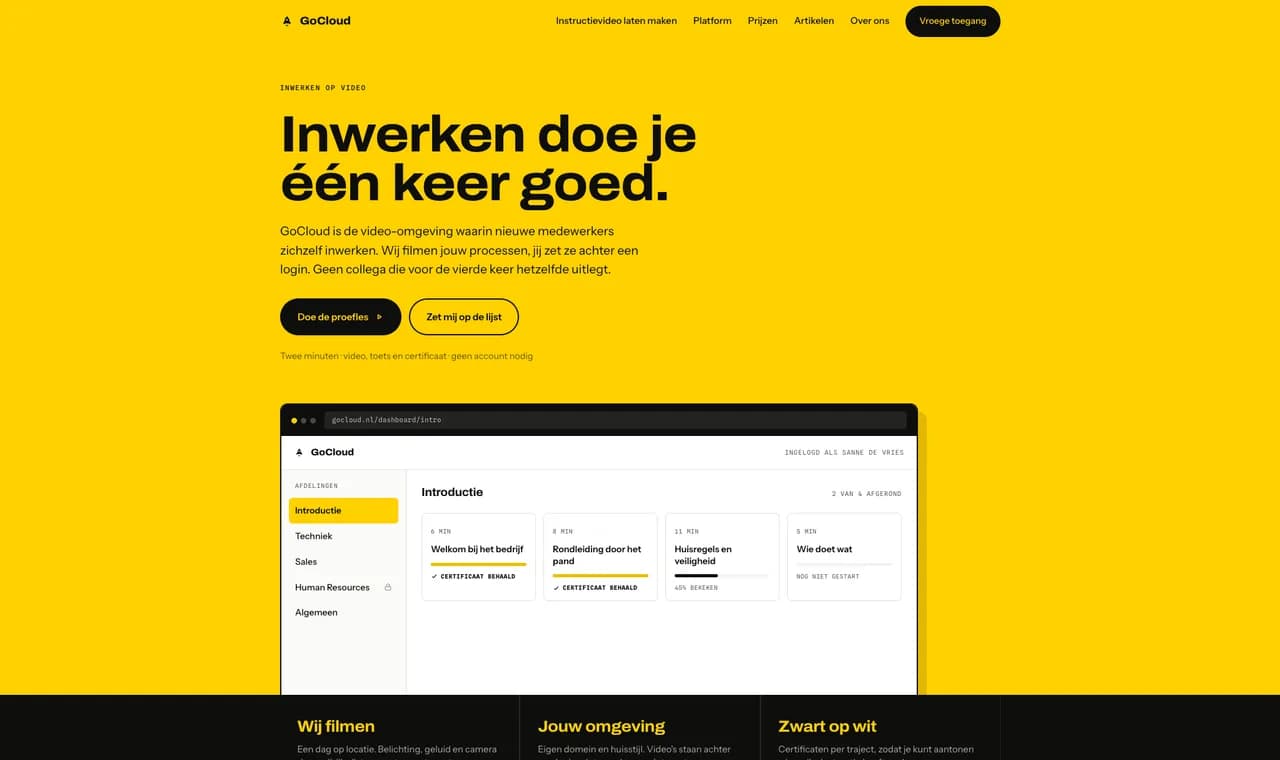
Where is my order, has that invoice been processed, which quote was it again. The same question every time, someone looking it up and calling back every time. A client portal takes that work away: your customer logs in and sees their own file, you see who looked at what.
Why companies start on this.
The same question, every week
Status, planning, invoices, documents. Every one of them data you already have, but that your customer can only reach through you.
Everything goes through email
Attachments that get lost, versions that do not match, and afterwards no trace at all of who approved what and when.
Everyone sees too much or too little
A shared folder or spreadsheet has no roles. One wrong link and customer A is looking at customer B's file.
Your team works in three systems
Planning here, invoices there, client details in a third tool. Nobody knows which source is right anymore.
Growth means more manual work
Twice as many customers currently means twice as much looking up and forwarding. That does not scale with your revenue.
Your customers expect it
Everyone knows a portal from their insurer or supplier. Not having one now stands out.
From first call to a portal that actually gets used.
Work out who may see what
Which roles exist, which data belongs to which customer, and what an employee may do that a customer may not. This decides the rest of the build.
Connect to what you already have
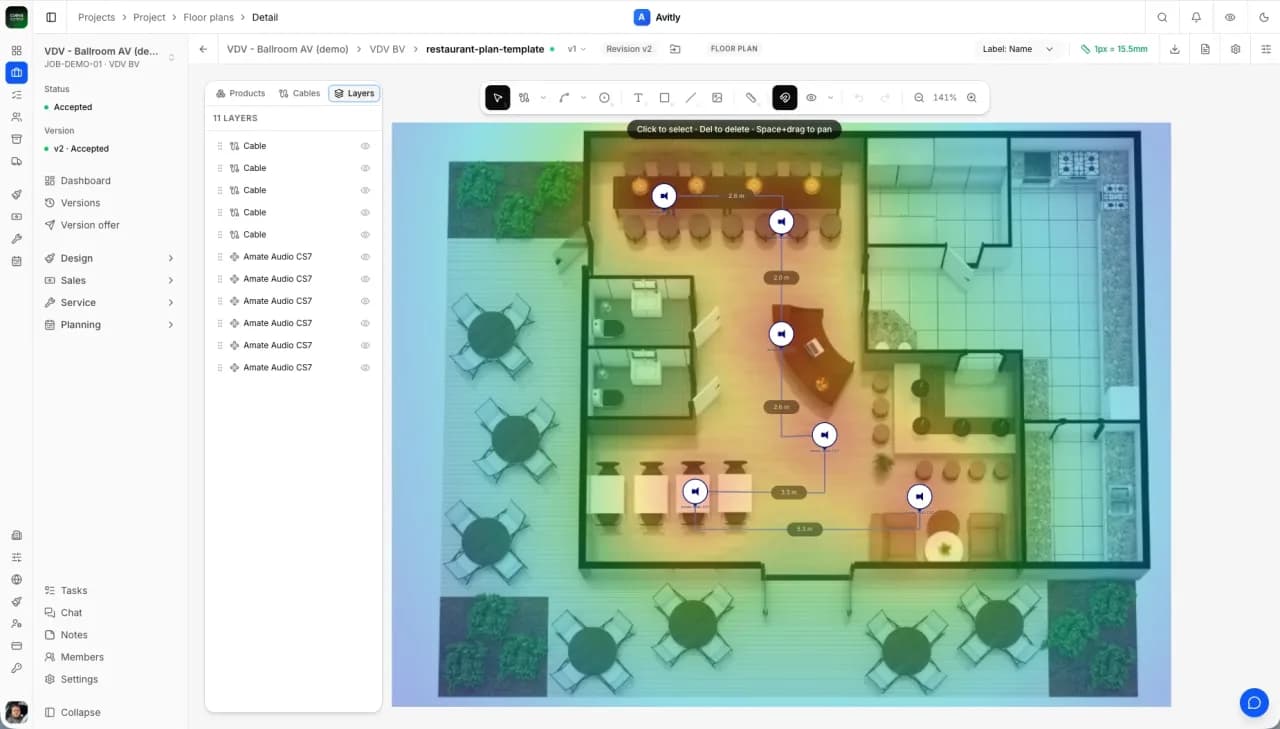
Your accounting, CRM or planning stays the source. The portal shows that data; it does not become a fourth place where someone retypes the same thing.
Build with permissions in the database
Row-level security in Supabase, so every customer can only reach their own file. Even if someone skips the front end.
Roll out with a few customers
A pilot with a handful of users first, then everyone. Including a short walkthrough so your team can manage it themselves.
- ✓Customers who see their own file
- ✓Login with roles and permissions per user
- ✓Integration with your accounting, CRM or planning
- ✓An admin side where your team manages everything
- ✓Repository and hosting in your name
Not the number of screens but the number of integrations and the permission structure drive the number.
The price depends mostly on the number of integrations, not the number of screens. After a half-hour call I know enough for a fixed number.
What exactly is a client portal?
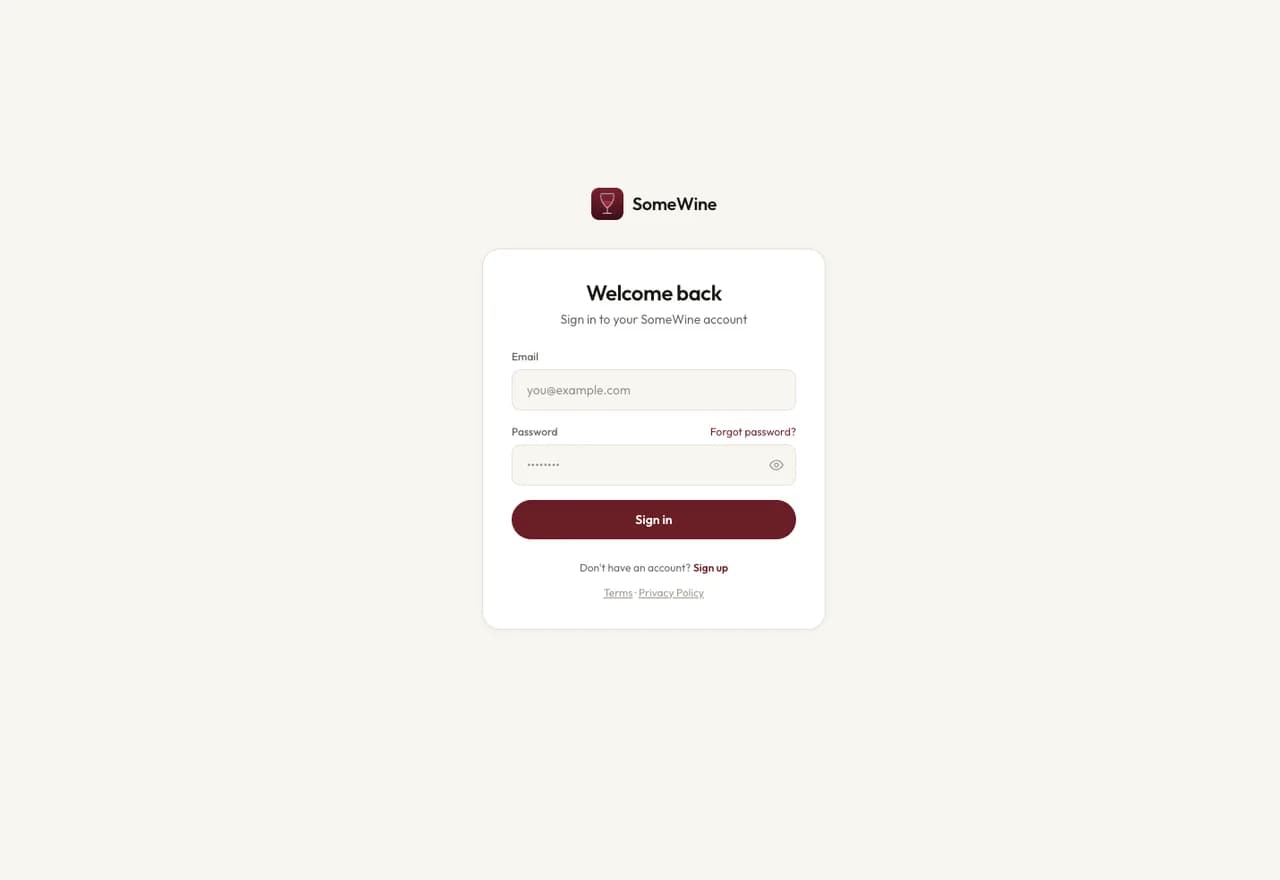
A client portal is a protected part of your website where a client logs in and sees only their own data: jobs, invoices, documents, the status of a request. Not a new administration, but a window onto what you already have.
The confusion is usually in the name. Client portal, customer portal, service portal, dealer portal or simply 'a portal built' describe the same thing with a different audience in front of it. What it becomes depends on who logs in and what they are allowed to see.
Client portal
Your own clients log in for their file: quotes, jobs, invoices and documents, plus the status of what is running.
Supplier or dealer portal
Business partners with their own prices, orders and stock. Often several users per company and a role structure of its own.
Service portal
Reports, tickets and maintenance history in one place, so a fault no longer arrives through three mailboxes.
Internal portal
The same principle for your own team: planning, files and reporting, with permissions per role.
What a client portal costs
The number of screens drives the price far less than people expect. What moves the number are the integrations and the permissions: where the data comes from and who is allowed to see exactly what.
Three worked scopes with an amount next to each are on what a client portal costs; how pricing works in general is on pricing. In short: after a half-hour call one fixed price I hold myself to, with no paid run-up. Whether a portal pays for itself in your case is worked through in when a client portal pays for itself.
Integrations
Every source that has to come along — bookkeeping, CRM, planning, stock — is its own piece of work. One integration is a different project from four.
Roles and permissions
One type of user is simple. Clients, staff, admins and partners with different rights per record is the real work.
Existing data
Migrating history from an old system or a spreadsheet takes time, especially when the same client appears in it three times.
Self-management
If you want to change fields, copy or roles without me, I build an admin side for it.
Off-the-shelf portal software or custom
Portal software you rent per month exists, and for a standard process it is a fine choice. You are live quickly and pay per user. It pinches as soon as your process differs from what the package expects, and that is exactly why most companies end up here.
The honest rule of thumb: if the package fits eighty percent, take the package. If the difference sits in the part your clients judge you on, a package means years of paying for work you still have to build around it.
Package per month
Live fast, low risk, but your process bends to the software and you pay per user for as long as you use it.
Custom
The software bends to your process, connects to what you already have, and the code sits in your repository. One-off investment, then hosting.
What is always included
Regardless of size, this is always in it, because a portal without these things is not a portal but a liability.
- ✓Logins with roles per user
- ✓Permissions at database level, not just in the screen
- ✓Documents and files per client
- ✓An admin side for your own team
- ✓Email notifications for what matters
- ✓History of who saw what and when
- ✓Integrations with your current systems
- ✓Hosting inside the EU, code ownership yours
What does a client portal cost?
Is a customer portal the same as a client portal?
How long does it take?
Can it connect to our current system?
How safe is it when customers can log in?
What if we want to extend it later?
We already built something with an AI tool. Can that come along?
Tell me what you
want to build.
A half-hour call. You get an honest answer about what it costs, how long it takes and whether building it is smart at all.
The overview your team gets.
A working example, not a screenshot: change the period and hover over a bar. In a real portal this data comes from your accounting or planning, and every customer only sees their own rows.
Overview
Sample data · not real figures
Revenue per month
RevenueOrdersTarget| Month | Revenue | Orders |
|---|---|---|
| Feb | €18,400 | 42 |
| Mar | €21,900 | 51 |
| Apr | €19,700 | 46 |
| May | €24,300 | 58 |
| Jun | €27,800 | 63 |
| Jul | €25,100 | 55 |
| Aug | €22,600 | 49 |
| Sep | €29,400 | 68 |
| Oct | €31,200 | 74 |
| Nov | €35,800 | 86 |
| Dec | €41,300 | 97 |
| Jan | €33,500 | 79 |
Revenue per channel
- Webshop
- €148,90045%
- Quotes
- €92,40028%
- Subscriptions
- €61,30019%
- Marketplaces
- €28,4009%
Everything on this screen comes from one fixed dataset in the page itself. In reality this comes from your database or accounting.
More working examples are on the demo page.